

relational participatory designThe idea that space is an experience that we create from how we feel led us to design furniture for play, investigation and the reinvention of possibilities. The configuration system draws explicit lineage from constructivist toys - relational participatory design that fosters active co-authorship. Participatory design brings the people who will live with a design into the act of creating it. Sanders and Stappers (2008) describe this as co-creation: any act of collective creativity shared between designers and the people they design for. Bourriaud (2002) described relational art as work that takes human relations and their social context as its starting point, so that its meaning forms through participation. The furniture is offered in the same spirit: an open system that takes shape through the people who use it. Variety and everyday creativity lift mood. In a daily diary study of 658 young adults, creative activity on one day was followed by enthusiasm and a sense of flourishing the next (Conner, DeYoung and Silvia, 2018). A systematic review of craft-based interventions has likewise found encouraging evidence that making can support mental health and wellbeing, while calling for further high quality research (Bukhave et al., 2025). Research on enriched environments, which began with studies of animals living among varied objects and spaces, has long shown that stimulating surroundings shape the brain (Nithianantharajah and Hannan, 2006). Self-determination theory explains how autonomy, competence and relatedness are basic psychological needs (Ryan and Deci, 2000). References Bourriaud, N. (2002) Relational Aesthetics. Dijon: Les presses du réel. Bukhave, E.B., Creek, J., Linstad, A.K. and Frandsen, T.F. (2025) 'The effects of crafts-based interventions on mental health and well-being: A systematic review', Australian Occupational Therapy Journal, 72(1), e70001. https://doi.org/10.1111/1440-1630.70001 Conner, T.S., DeYoung, C.G. and Silvia, P.J. (2018) 'Everyday creative activity as a path to flourishing', The Journal of Positive Psychology, 13(2), pp. 181–189. https://doi.org/10.1080/17439760.2016.1257049 Nithianantharajah, J. and Hannan, A.J. (2006) 'Enriched environments, experience-dependent plasticity and disorders of the nervous system', Nature Reviews Neuroscience, 7(9), pp. 697–709. https://doi.org/10.1038/nrn1970 Ryan, R.M. and Deci, E.L. (2000) 'Self-determination theory and the facilitation of intrinsic motivation, social development, and well-being', American Psychologist, 55(1), pp. 68–78. https://doi.org/10.1037/0003-066X.55.1.68 Sanders, E.B.-N. and Stappers, P.J. (2008) 'Co-creation and the new landscapes of design', CoDesign, 4(1), pp. 5–18. https://doi.org/10.1080/15710880701875068
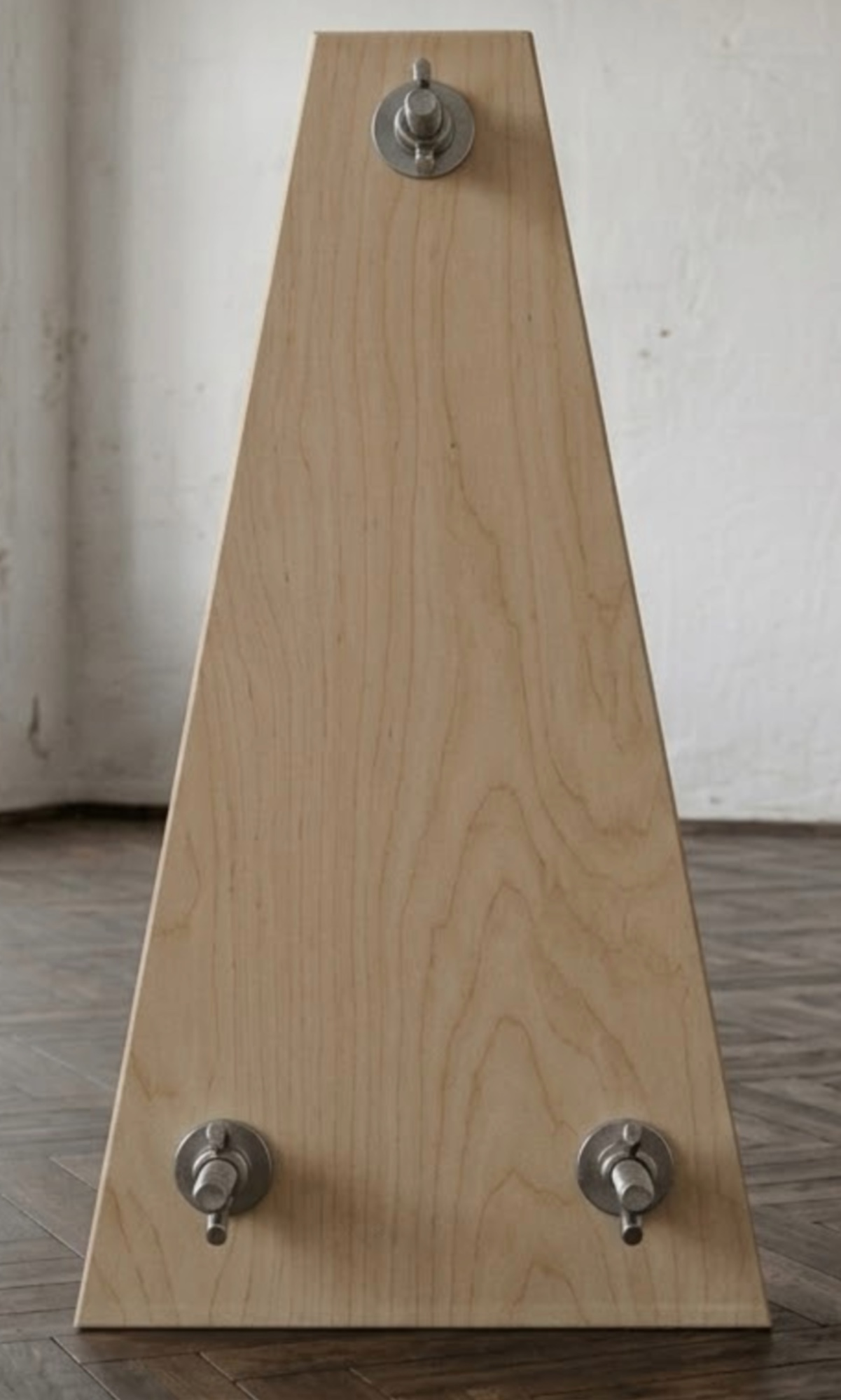
 The idea that space is an experience that we create from how we feel led us to design furniture for play, investigation and the reinvention of possibilities. The configuration system draws explicit lineage from constructivist toys - relational participatory design that fosters active co-authorship.
Participatory design brings the people who will live with a design into the act of creating it. Sanders and Stappers (2008) describe this as co-creation: any act of collective creativity shared between designers and the people they design for.
Bourriaud (2002) described relational art as work that takes human relations and their social context as its starting point, so that its meaning forms through participation. The furniture is offered in the same spirit: an open system that takes shape through the people who use it.
Variety and everyday creativity lift mood. In a daily diary study of 658 young adults, creative activity on one day was followed by enthusiasm and a sense of flourishing the next (Conner, DeYoung and Silvia, 2018). A systematic review of craft-based interventions has likewise found encouraging evidence that making can support mental health and wellbeing, while calling for further high quality research (Bukhave et al., 2025).
Research on enriched environments, which began with studies of animals living among varied objects and spaces, has long shown that stimulating surroundings shape the brain (Nithianantharajah and Hannan, 2006). Self-determination theory explains how autonomy, competence and relatedness are basic psychological needs (Ryan and Deci, 2000).
References
Bourriaud, N. (2002) Relational Aesthetics. Dijon: Les presses du réel.
Bukhave, E.B., Creek, J., Linstad, A.K. and Frandsen, T.F. (2025) 'The effects of crafts-based interventions on mental health and well-being: A systematic review', Australian Occupational Therapy Journal, 72(1), e70001. https://doi.org/10.1111/1440-1630.70001
Conner, T.S., DeYoung, C.G. and Silvia, P.J. (2018) 'Everyday creative activity as a path to flourishing', The Journal of Positive Psychology, 13(2), pp. 181–189. https://doi.org/10.1080/17439760.2016.1257049
Nithianantharajah, J. and Hannan, A.J. (2006) 'Enriched environments, experience-dependent plasticity and disorders of the nervous system', Nature Reviews Neuroscience, 7(9), pp. 697–709. https://doi.org/10.1038/nrn1970
Ryan, R.M. and Deci, E.L. (2000) 'Self-determination theory and the facilitation of intrinsic motivation, social development, and well-being', American Psychologist, 55(1), pp. 68–78. https://doi.org/10.1037/0003-066X.55.1.68
Sanders, E.B.-N. and Stappers, P.J. (2008) 'Co-creation and the new landscapes of design', CoDesign, 4(1), pp. 5–18. https://doi.org/10.1080/15710880701875068
 A is for ART II. 99/234£2,988.00
 Skinny ART II. 45/198£1,620.00
 GERT bench. 45/198£720.00
 BEESWAX & botanicals£18.00
 OCTAVE pedestal II. 81/81£828.00
 GALLERY pigeon. 27/198£2,700.00
 The ATKINSON. 54/45£603.00
 ART trestle. 36/45£369.00
 OCTAVE pedestal. 81/81£810.00
 DURKAR bench. 45/90£540.00
 Skinny ART. 45/198£1,440.00
 BOLTHOLE tuffet. 45/45£270.00


